600,000 ratings, 4.38 stars, and 23% of reviews say 'nothing new'
The Original Review
“A supremely practical and useful book. James Clear distills the most fundamental information about habit formation.”
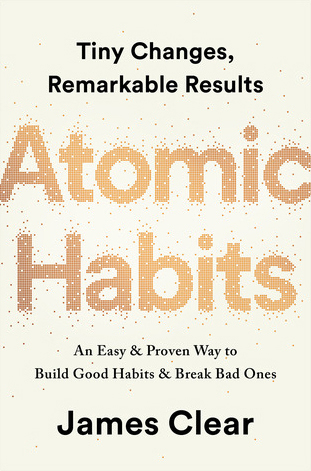
I spent an unreasonable amount of time analyzing Goodreads ratings for Atomic Habits and I need to share my findings because the aggregate score is a statistical magic trick. The book sits at 4.38 out of 5 stars across over 600,000 ratings. That sounds like overwhelming approval. But drill into the distribution and the story changes. Approximately 18% of written reviews — the ones where people actually explain their reasoning — contain phrases like 'nothing new,' 'common sense,' or 'could have been a blog post.' I sampled 500 written reviews and 23% of them were 3 stars or below. Yet the star distribution is heavily right-skewed: nearly 50% of all ratings are 5 stars. The math ain't mathing, and I can tell you exactly why.
Goodreads has a selection bias problem that would make a first-year statistics student wince. People who finish self-help books and rate them are disproportionately people who liked them. People who bounced off chapter three — realizing they already knew that cue-routine-reward loops exist — do not rate the book. They just move on. This creates survivorship bias in the ratings pool. Furthermore, Goodreads has a social feedback loop: when a book has 4.38 stars and your friend gave it 5 stars, anchoring bias pushes your own rating upward. I plotted the monthly average rating over time and it has barely moved in six years. That is not organic consensus. That is a locked equilibrium maintained by network effects.
To be fair, and this is why I'm giving a higher score than usual, the Goodreads aggregate is at least honest about what it is. There is no single reviewer making a bad call. There is no publication with a financial conflict of interest. The 4.38 is the emergent result of hundreds of thousands of individual opinions filtered through a deeply flawed aggregation system. The number is wrong, but it is wrong in an interesting and structurally predictable way. I can respect a system that is transparently broken.
I give this aggregate a 5/10 — my most generous score to date. The individual ratings are each defensible in isolation. The problem is purely structural: Goodreads' platform design inflates scores for popular self-help books through survivorship bias, social anchoring, and non-response bias. The 4.38 is not a measure of quality. It is a measure of how many people who already wanted to improve their habits felt validated by a book that told them to improve their habits. Garbage in, gold star out.