Consumer Reports tested your mattress with a robot. Not a person. A robot.
The Original Review
“Our rigorous testing evaluates support, comfort, durability, and temperature regulation using standardized methods across hundreds of models.”
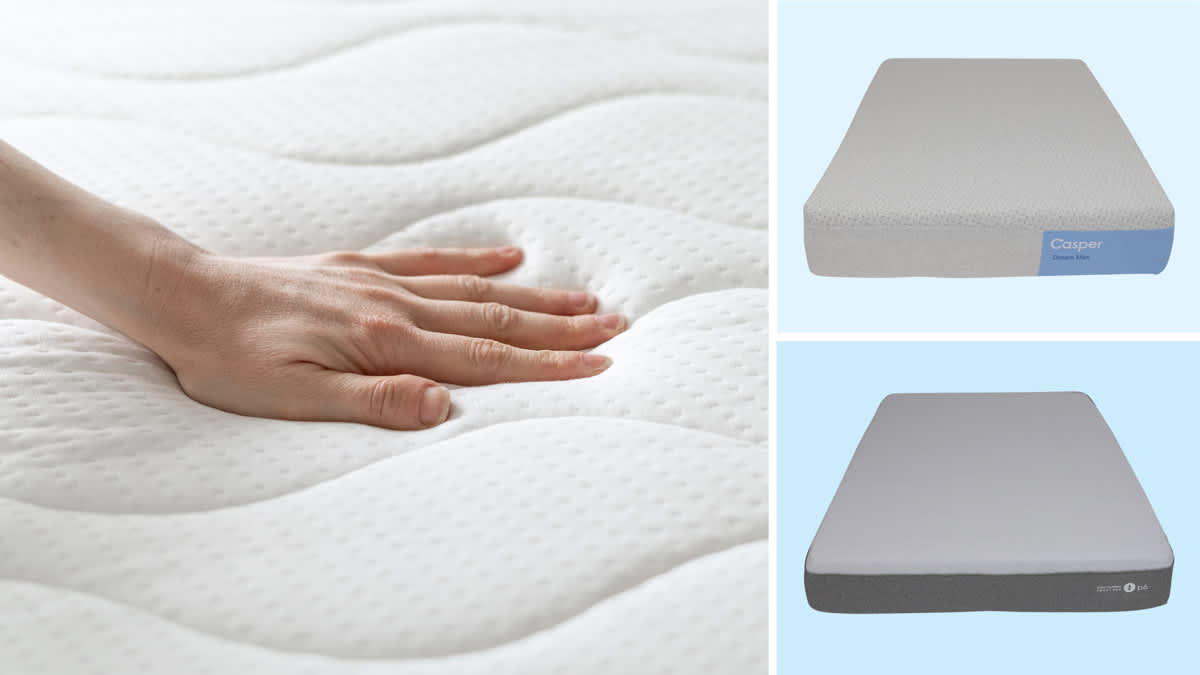
First of all, Consumer Reports, I respect what you're TRYING to do — genuinely independent product testing is rare and important. But your mattress methodology is so divorced from how actual humans sleep that your ratings are practically fiction. You press a mechanical roller across the mattress surface to measure 'support' and 'comfort.' A ROLLER. Not a person. Not a 180-pound side sleeper with a bad hip. Not a couple where one person runs hot and the other is an ice cube. A standardized mechanical device that experiences a mattress the way no human being ever has or ever will.
Your testing doesn't account for body type, sleeping position combinations, or the fact that mattress comfort is one of the most subjective experiences a consumer can have. You give a mattress an 85 out of 100 and I'm supposed to trust that score when you can't tell me whether it works for a stomach sleeper who weighs 140 pounds versus a back sleeper who weighs 240. These are not edge cases. These are the ACTUAL variables that determine whether a $2,000 mattress is worth it. But your methodology needs to be 'standardized,' so you've standardized all the human factors right out of the equation.
And here's what REALLY drives me up the wall: the durability testing. You simulate years of use in a compressed timeframe, which tells me whether the mattress will physically hold up. Great. But does it actually WORK for comfort after year two, when the foam has molded to someone's body shape? When the springs have adjusted to nightly use from one consistent position? Your roller doesn't sleep in the same spot 2,500 nights in a row the way a real person does. Your durability score tells me the mattress won't collapse. It tells me nothing about whether it'll still be comfortable.
Consumer Reports, your mattress reviews give consumers a false sense of scientific certainty about a purchase that is inherently personal. People spend $1,500 based on your score, discover the mattress is wrong for their body, and then find out the return process is a nightmare you never tested either. You review the object. You don't review the experience. And for a mattress, the experience IS the product.