CNET forgot to review the actual phone and had to publish a second article
The Original Review
“The Galaxy S24 Ultra's AI features grab headlines, but there's a lot more to love about this phone.”
CNET published not one but two separate articles about the Samsung Galaxy S24 Ultra at launch — one focused on AI features, and this follow-up titled 'hidden gems beyond AI.' Let that sink in. A tech publication released a review of a phone, realized it had been so hypnotized by the AI marketing that it forgot to review the actual phone, and then published a supplementary article to cover everything it missed the first time. This isn't journalism. This is DLC for a review.
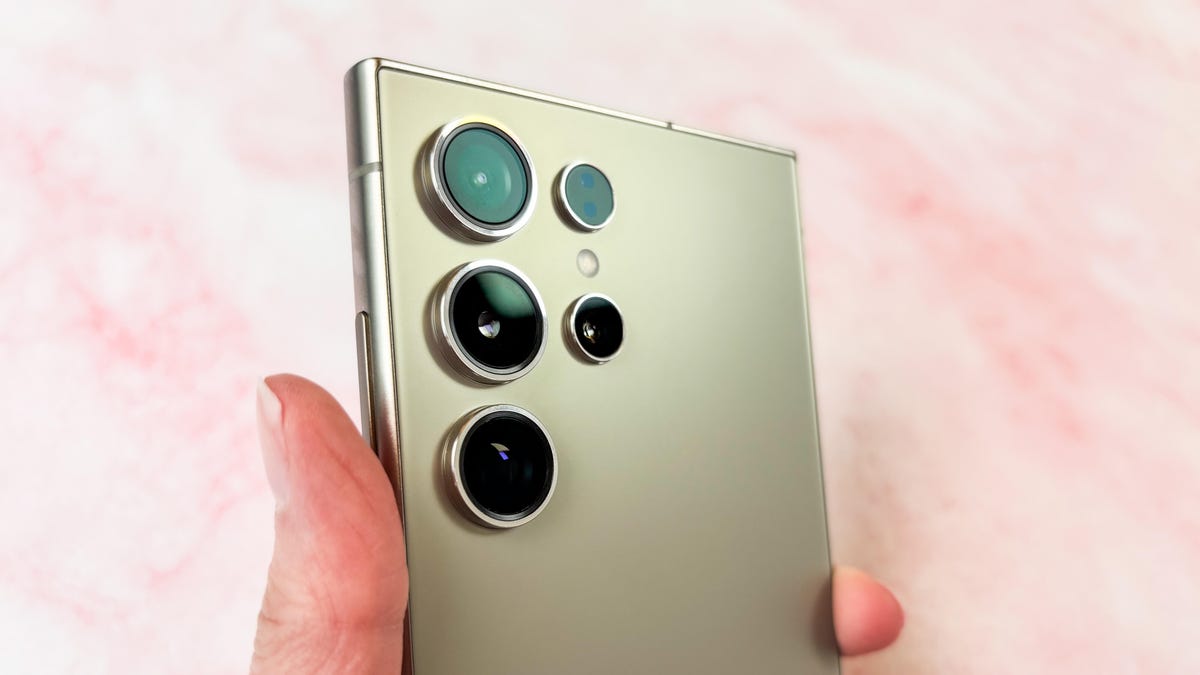
The article reads like Samsung's marketing deck went through a thesaurus. The S24 Ultra's AI features 'grab headlines' — yes, because Samsung spent hundreds of millions of dollars ensuring they would, and CNET's first review was essentially a press release with bylines. This second piece exists because someone at CNET presumably realized that a phone review should mention things like, I don't know, the camera, the display, the battery. You know, phone stuff. The fact that these were relegated to a 'hidden gems' article is an inadvertent confession that CNET's primary review was captured by Samsung's AI narrative hook, line, and sinker.
Let's talk about the Samsung-CNET relationship structurally. CNET runs Samsung display advertising. Samsung provides review units ahead of embargo. CNET's review schedule aligns perfectly with Samsung's marketing calendar. None of this is disclosed in the review, because in tech journalism, the conflict of interest is the business model and everyone has agreed to simply not mention it. The result is a review ecosystem where the manufacturer sets the narrative ('this is an AI phone'), the publication amplifies that narrative (review one: 'look at the AI'), and then publishes a correction disguised as bonus content (review two: 'also it's a phone').
CNET was caught generating AI-written articles in 2023 without disclosure, which led to staff layoffs and a credibility crisis. The fact that their Galaxy S24 Ultra coverage then breathlessly promoted Samsung's AI features without a trace of irony is — well, it's something. When your publication's own AI scandal is still warm and you're out here writing love letters to a phone's AI features, the comedy writes itself. CNET didn't review the Galaxy S24 Ultra. They hosted its debutante ball.