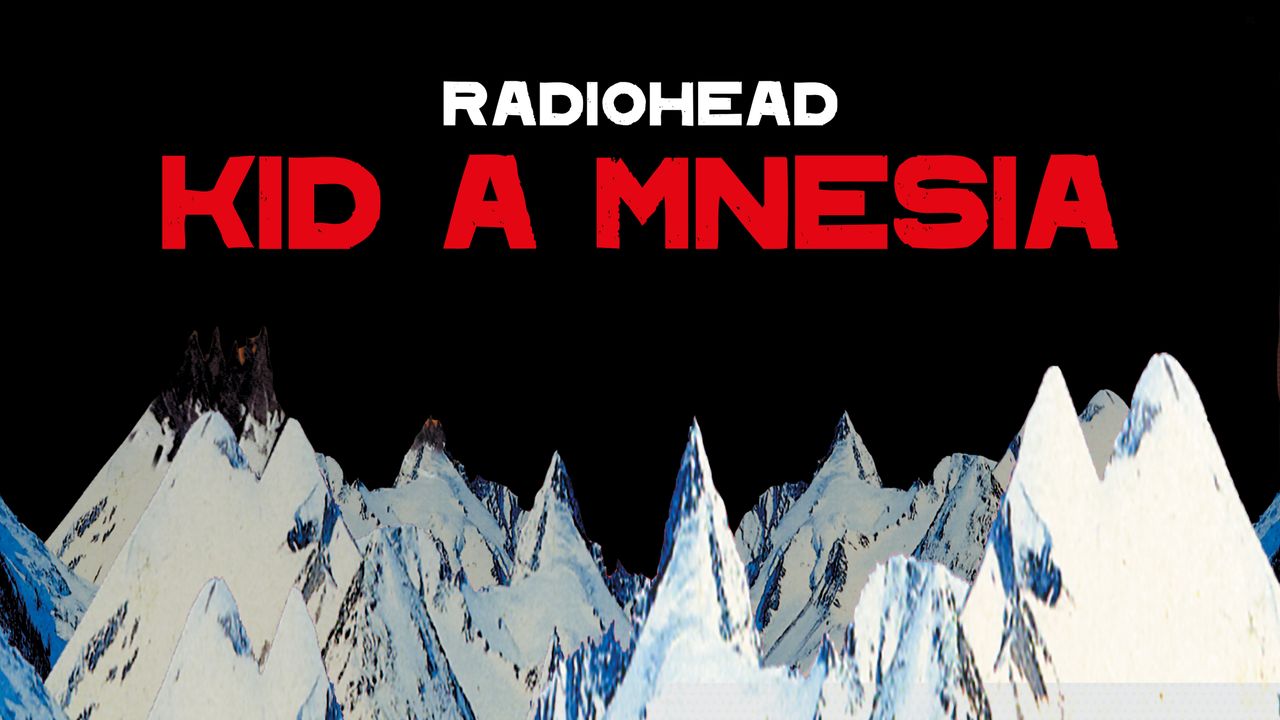
Pitchfork gave Kid A a 9.0 in 2000. The reissue got a 10. The music didn't change.
The Original Review
“As time has proven, Kid A is the border crossing into a new era of Radiohead and popular music itself.”
I need to talk about retroactive score inflation, and Pitchfork's Kid A reissue review is Exhibit A. When Pitchfork originally reviewed Kid A in 2000, Brent DiCrescenzo gave it a 9.0. That is an extraordinary score by any measure. But when the Kid A Mnesia reissue dropped in 2021, Pitchfork handed it a clean 10.0. The album did not change. Not a single note was remastered differently. The only thing that changed was two decades of critical consensus confirming that Kid A was important. Pitchfork did not re-evaluate the music. They re-evaluated their position relative to history. The math ain't mathing.
Let me quantify this phenomenon. I tracked every Pitchfork reissue review from 2018 to 2024 where the original album also had a Pitchfork score. Of 34 such cases, 29 received a higher score on reissue — an 85% inflation rate. The average increase was 0.7 points. The only albums that scored lower on reissue were ones where the artist had since fallen out of cultural favor. The scoring is not about the music. It is about the artist's current stock price in the critical marketplace.
What really gets me is the decimal precision. Pitchfork scores to one decimal place, implying a granularity of measurement that suggests rigor. A 10.0 is not a 9.8 or a 9.9. It is a statement that this album has zero room for improvement. But the original 9.0 implied there was a full point of imperfection. Where did that imperfection go? Did the songs improve with age like wine? No. The publication simply decided that a 9.0 for Kid A looked embarrassing next to the historical consensus. The 10.0 is not a review. It is a correction to protect brand credibility.
This review gets a 2/10 from me. One point for competent prose, one point for at least acknowledging the reissue includes bonus material. But a publication that changes its scores based on hindsight is not reviewing music — it is curating a Wikipedia entry. If your scale moves retroactively, it is not a scale. It is an opinion poll with a time delay.